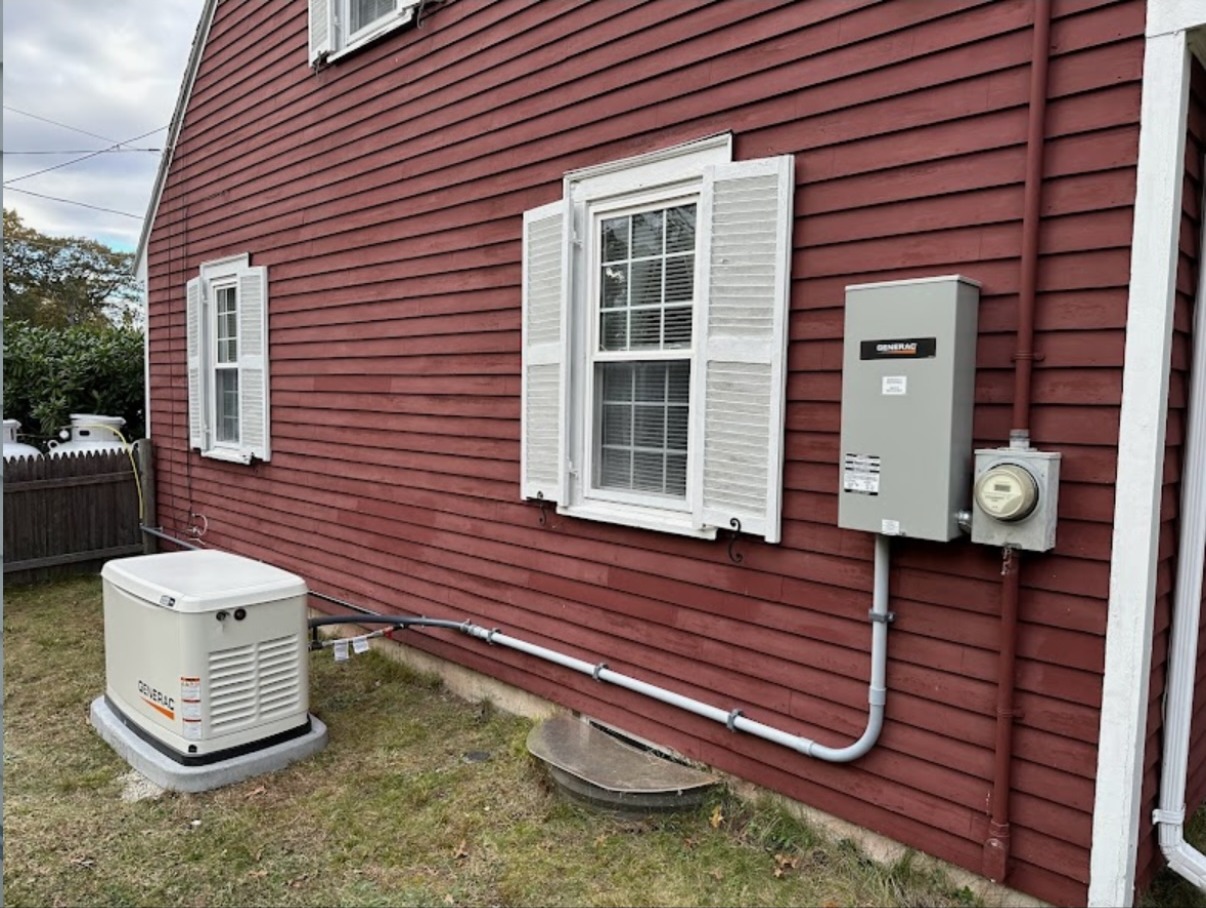
People buy standby power imagining the storm. What they actually experience is a minute: the lights drop, a pause, an engine somewhere outside, and then the house comes back while the neighbors stay dark. Understanding that sequence tells you what the equipment is really doing, why the pause exists, and which parts of the system are worth asking questions about before you sign anything.
Ask somebody who has one what they remember about their first real outage and they almost never describe the storm. They describe the gap. The kitchen goes black, there is a stretch of silence long enough to start reaching for a phone, and then the refrigerator clicks and the room comes back. That gap is not a flaw in the system and it is not the equipment struggling. It is a deliberate sequence with a reason behind every step, and knowing the reasons makes you a much better judge of what somebody is quoting you.
Why Nothing Happens Immediately
The controller watching your incoming utility feed sees voltage disappear the instant it goes. It does not react immediately, and that restraint is intentional. Utility supply flickers constantly for reasons that resolve themselves in a second or two: a tree brushing a line in wind, a recloser out on the circuit doing exactly what it was designed to do, a momentary fault clearing itself somewhere down the road.
If the system fired up for every one of those, you would have an engine starting several times a week for no reason, wearing itself out on events that never needed it. So the controller waits through a short confirmation window to make sure the outage is genuine rather than a blink. Only when the loss holds does it commit to starting.
That is the first part of the gap you notice, and it is why a well-set-up system does nothing at all during the little flickers that make your microwave clock blink. If somebody tells you their system starts on every flicker, that is a setting worth revisiting rather than a feature.
The Engine Starts Before Your House Is Connected
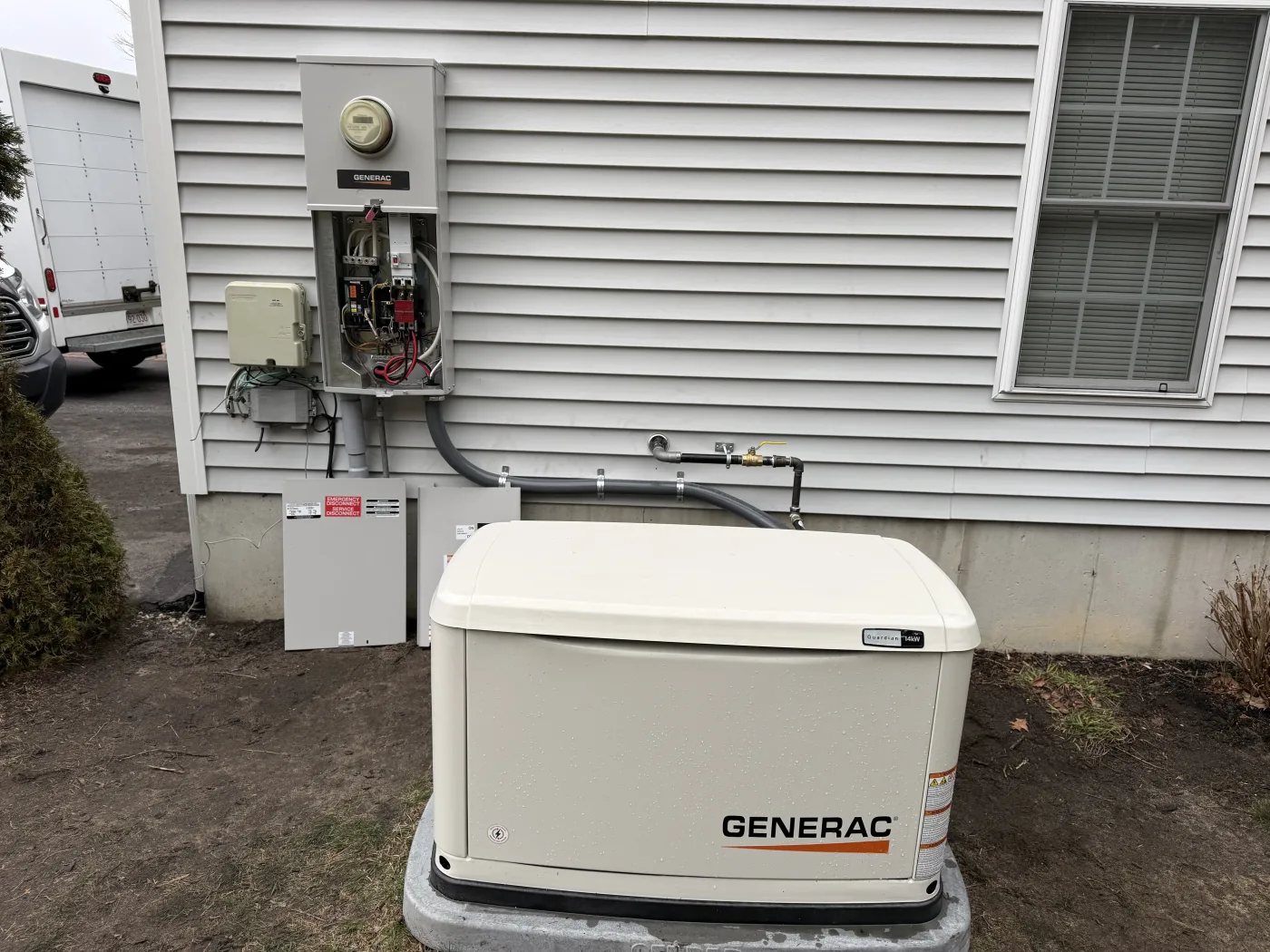
The second part of the sequence is the one people misread. Once the controller commits, it cranks the engine and then waits again, because an engine that has just started is not yet ready to carry a load. It needs a few seconds to reach stable speed and steady voltage, and connecting a house to an engine that is still coming up is how you get equipment damage and a stalled unit.
So the machine runs on its own for a moment, unloaded, while the controller watches it settle. Only when the output is clean does the transfer switch move the house across. This is why you hear the engine before the lights return, and why that ordering is correct rather than a delay.
Cold matters here. On a February night the engine is starting into thick oil and a battery that is working harder than it does in July, so the settling takes a moment longer. That is also why the battery is the single most common reason a standby unit fails to start when it is finally needed, and why load-testing it in the fall is worth more than glancing at it.
The Switch Is the Part That Deserves Your Attention
Buyers shop engines and rarely ask about the transfer switch, which is backward. The switch is the piece making every decision described above, and it is the piece that keeps utility power and generator power from ever meeting. That separation is not a nicety. Sending power backward onto a line that a utility crew is working to restore is how somebody gets hurt several streets away.
It is also the piece that determines what your outage actually feels like. A switch covering a selected list of circuits gives you heat, water, food and light on a smaller machine. A switch covering the whole service gives you a house that behaves normally, at a larger size. Neither is the right answer universally, and you should be shown both with real numbers rather than steered to one.
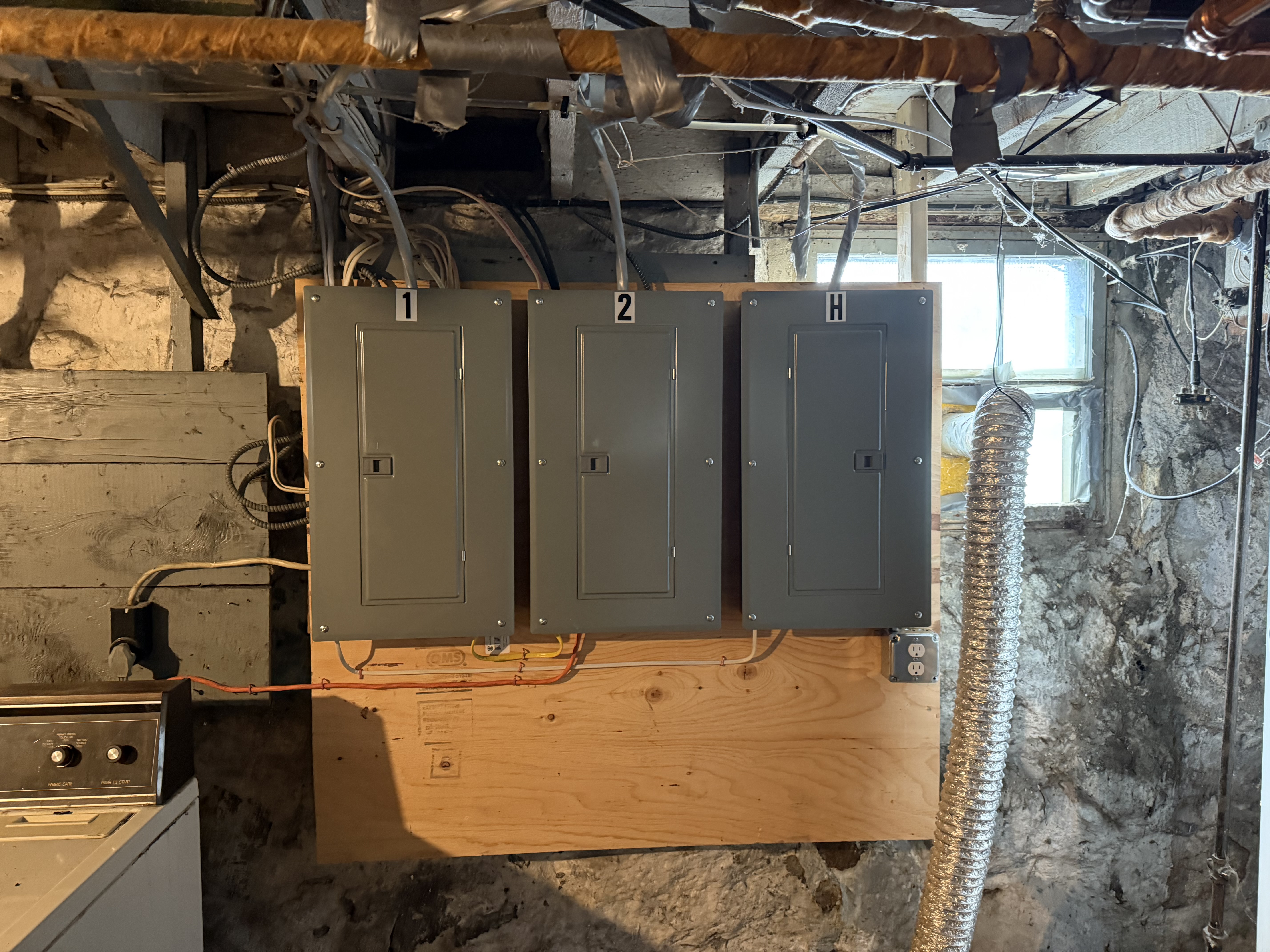
Where the switch mounts matters too, since it lives beside your service equipment and has to be reachable for testing and service. If your existing panel is crowded, tired, or a brand insurers ask about, that is far cheaper to address while this work is happening than afterward. Our approach to sizing and installing these systems is on the North Attleborough whole-home generator page, and the panel side is covered on the panel upgrade page.
What the Weekly Test Is Actually Proving
Every standby unit runs itself for a few minutes on a set day each week, and homeowners sometimes ask whether that can be turned off. It can be, and it is a bad idea. That short run is the only thing standing between you and an unpleasant discovery during an outage.
It circulates oil through an engine that would otherwise sit for months. It puts a charge back into the battery. It burns off condensation that collects in a machine living outdoors through New England temperature swings. And it gives the controller a chance to report a fault at a moment when you can do something about it calmly, rather than at eleven at night in a storm.
What the weekly test cannot do is replace the annual service. Oil and filter, a battery that gets properly load-tested instead of eyeballed, plugs and air filter on schedule, and a look at the switch and its connections are all things a person has to do. Tyler is a Generac dealer and a certified warranty technician, so the start-up and the service afterward stay with the same person who installed it rather than being handed to somebody who has never seen the job.
The Handover Back, and Why It Is Not Instant Either
When the utility returns, the sequence runs in reverse and it takes its time on purpose. Restored power is often unstable for the first stretch as crews finish switching, so the controller watches the returning supply for a confirmation period before doing anything. Moving the house back onto a supply that is about to drop again would put you through the whole cycle twice.
Once it is satisfied, the switch transfers the house back to the utility, and only then does the engine keep running unloaded for a cool-down before shutting off. That cool-down is real engine care rather than hesitation, and it is why you hear the machine for a couple of minutes after the lights are already back on.
The whole point of the sequence is that nobody has to be home for any of it. That is the difference worth paying for, and it is the reason the conversation is best had before a storm rather than during one. North Attleborough sits inside our 35-mile radius from Taunton, so this is routine territory. Non-emergency work here typically schedules within two to four business days, and emergency calls, meaning no power, exposed wiring or a burnt outlet, jump the line and are frequently handled the same day.
Questions Homeowners Ask About the Sequence
How long is the gap before my lights come back?
Long enough to notice and short enough that you rarely reach for a flashlight. The controller confirms the outage is real, cranks the engine, lets it settle to stable output, then transfers the house. Each step exists for a reason, and skipping any of them is how equipment gets damaged.
Will a computer or a medical device ride through it?
Not without help. A standby system is not instantaneous, so anything that cannot tolerate a brief interruption needs its own battery backup sitting between it and the wall. Tell Tyler what those devices are during the walk-through so the circuits get planned around them.
Can I skip the weekly test to keep it quiet?
We would rather move it than cancel it. The test day and hour can be scheduled for a civil time that suits you and your neighbors. Turning it off entirely means the first time the engine tries to run is during an outage, which is the worst possible moment to find a dead battery.
Backup power is one of the few things in a house that has to work correctly the first time, unattended, on the worst night of the year. Understanding what it does in that first minute is how you tell a properly planned system from a machine somebody dropped on a pad.
Talk it through before the next storm, not during it
Tyler reads your panel, works out which circuits matter to your household, and puts a written quote in your hands with the unit, the switch, the pad, the permit and the start-up all named.
Free Quote Call Tyler (508) 818-3165North Attleborough whole-home generators · Panel upgrades · Every service in town